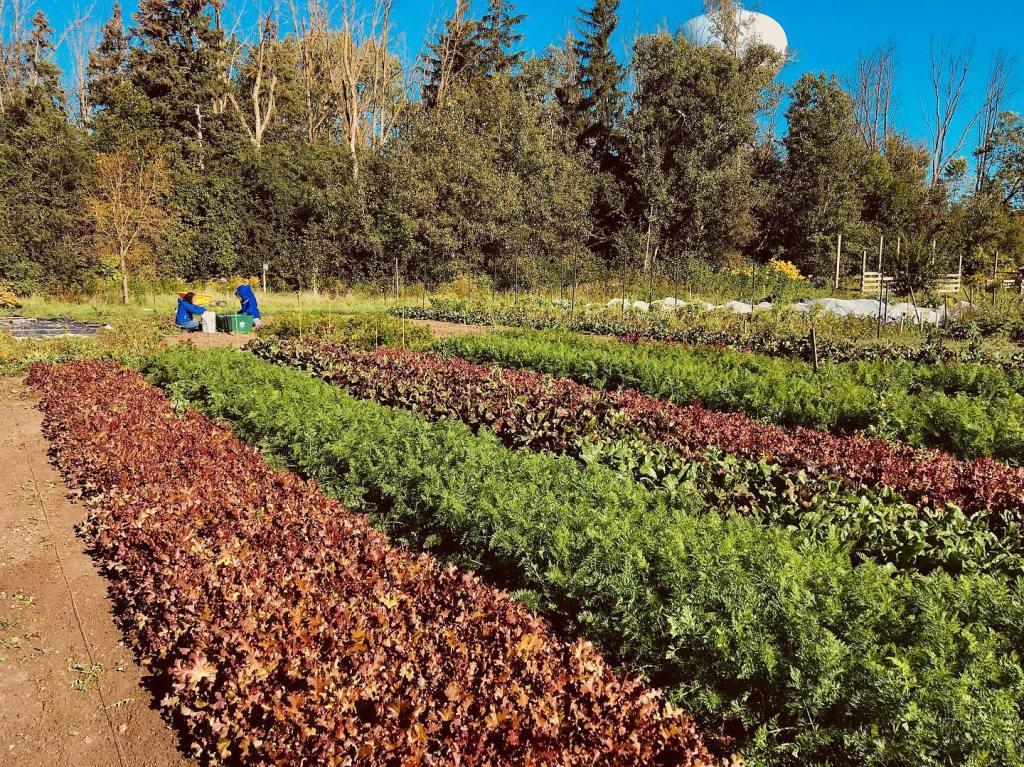


You may have come across the term regenerative agriculture/farming. Netflix has released a few documentaries i.e. “Kiss the Ground” or “The Biggest Little Farm” that touch on regenerative practices and the importance of sustainable farming.
In essence, regenerative farming is about working with natural processes to preserve ecosystems while growing crops for human consumption. This might include preserving insect populations through the planting of pollinator habitat, the use of cover crops to keep the life in our topsoil healthy and abundant, or holistic grazing practices that mimic large herds of mammals in the wild.
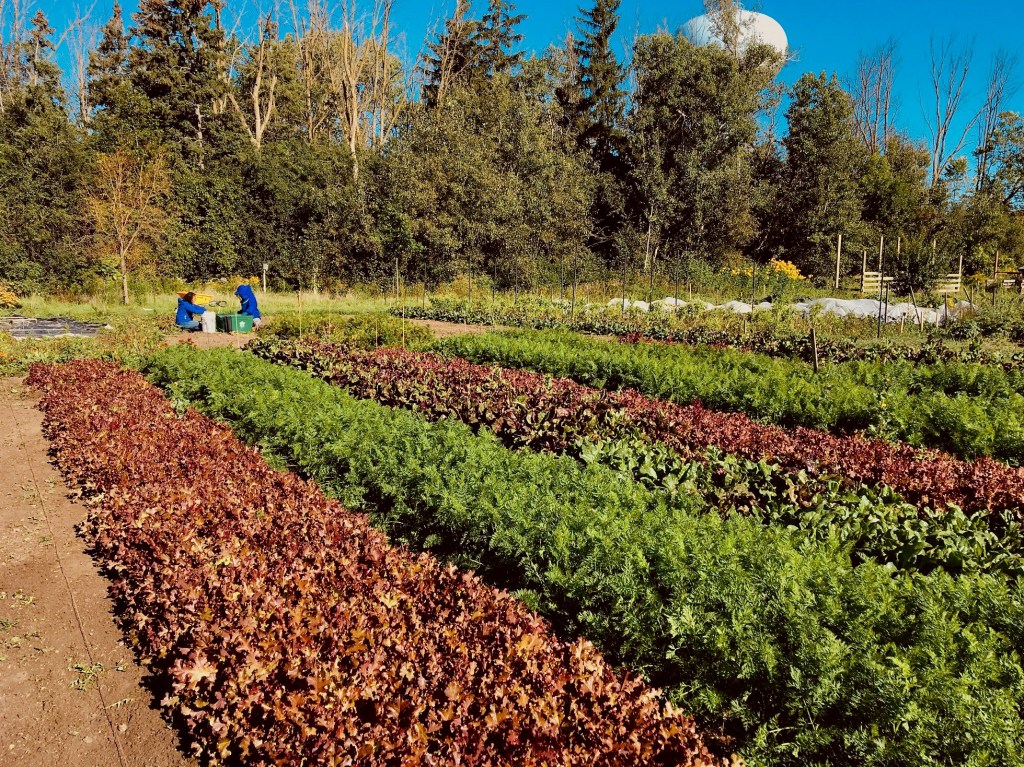
Our current system of agriculture is having adverse effects on the environment and the quality of our food. Industrialized agriculture has developed from a need to feed an ever growing population now 7 billion strong. This is no small task with which the farmers of the have been charged. So let’s not rush to judgement.
The saying goes, necessity is the mother of invention; due to the scale of the demand the discovery of chemical fertilizers, pesticide sprays, and later genetically modified plants, farming marched into the 21st century producing a density of pristine crops that would have been unimaginable to agrarians from the following century. What we missed in our pursuit of feed the world was the slow erosion of our topsoil, the nutrient density diminishing in our food, the leaching of residual nitrogen and phosphorus into our water supply, a plummeting insect population, and a climate that is in crisis.
Regenerative agriculture is about turning the boat around. A group of dedicated farmers are developing more sustainable agricultural practices that preserve our land, help enrich ecosystems, and provide our population with nutrient dense foods. There is no perfect answer to addressing all of these issues, but what is important is that we have started to walk.
Lucas Tingle, Farm Manager for The Local Community Food Centre
 The Local Community Farm
Leave a comment