
c
Locally farmed & sustainably Grown
Together we can accomplish more.

What We Do
-
Read more: What is Regenerative Farming ?
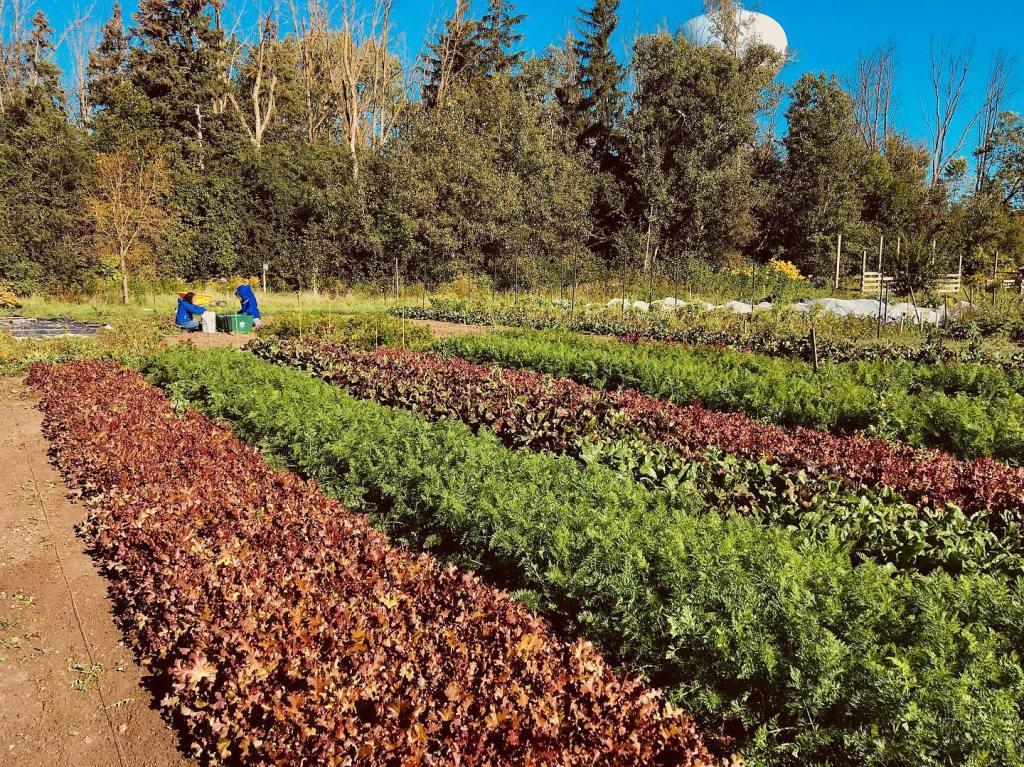
Regenerative farming, featured in documentaries like “Kiss the Ground” and “The Biggest Little Farm,” emphasizes working with natural processes to…
-
Read more: Magic Beans | Why are cover crops important to you?
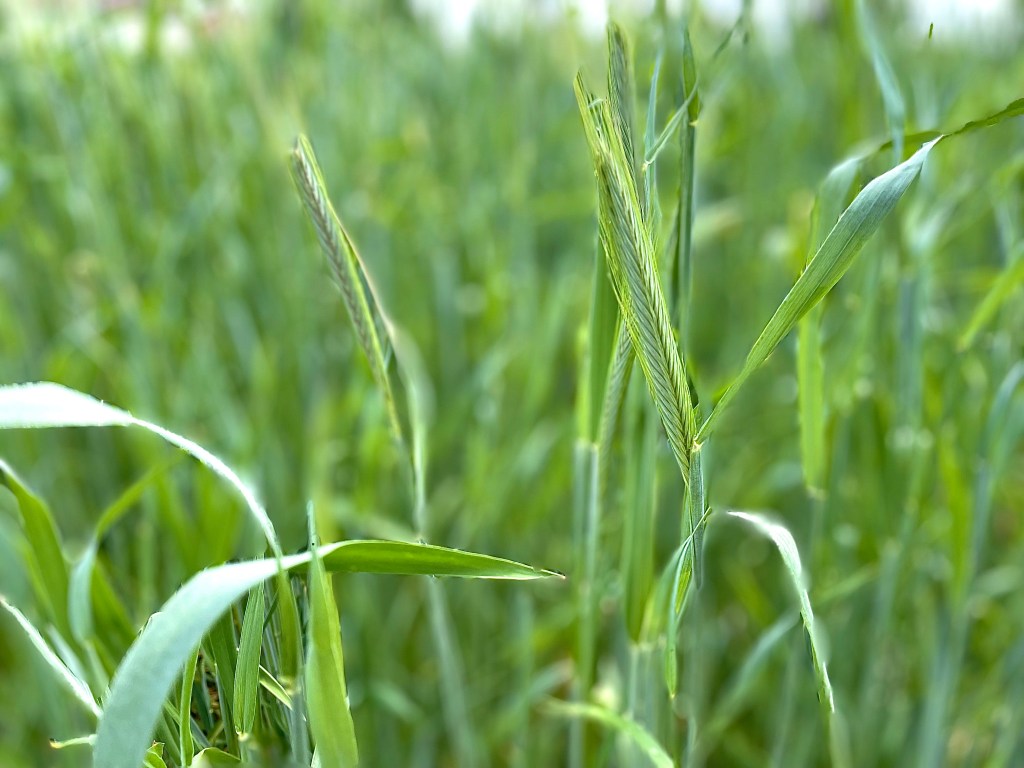
Cover crops like clover, vetch, and field peas benefit soil health by fixing nitrogen, preventing erosion, and reducing herbicide use.…
-
Read more: The real SUPER market
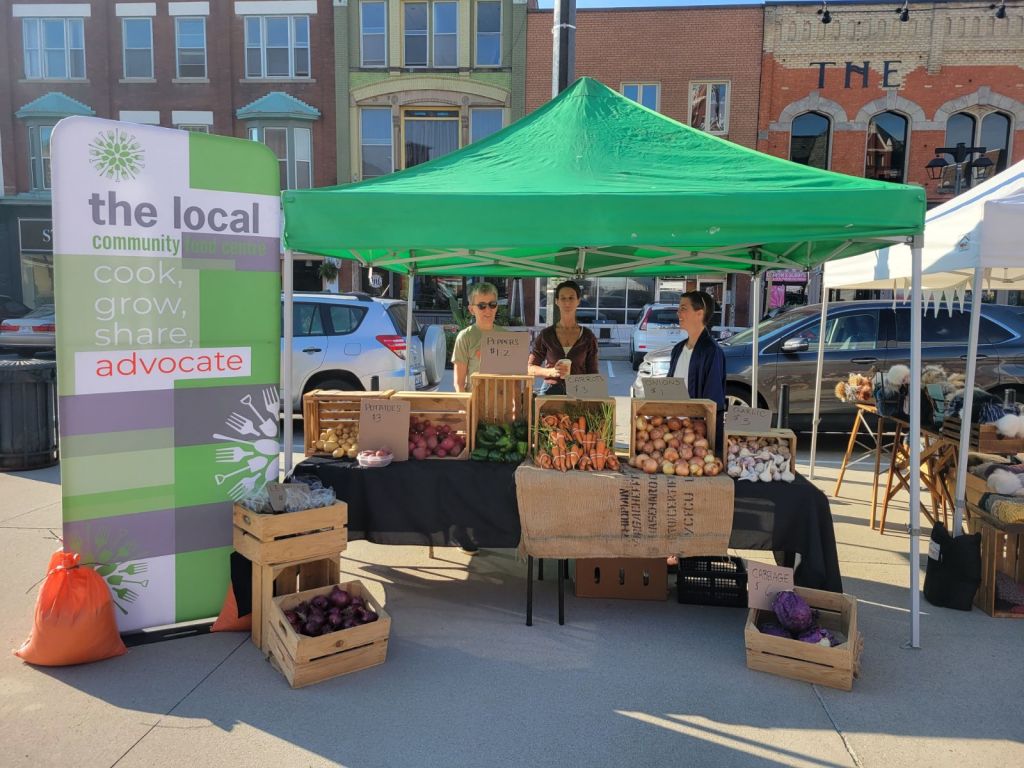
Imagine with me a group of people from your community gathering together on municipal land inside the city you live.…
Why You’ll Love Us
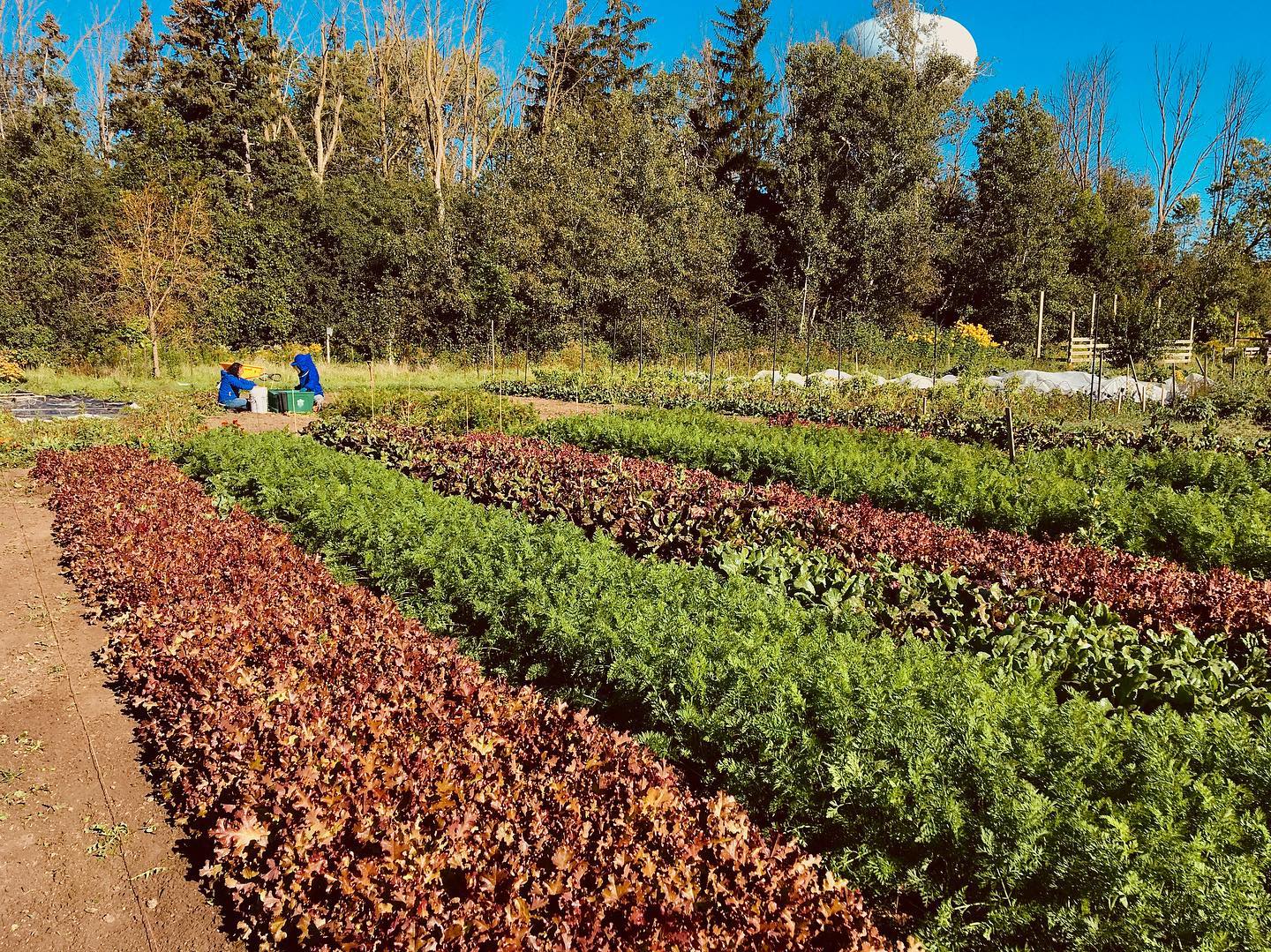
Regenerative farming is a form of food production that emphasizes the use of natural methods to maintain soil fertility, control pests, and produce high-quality crops without the use of synthetic pesticides and fertilizers.
It’s a practice based on biodiversity, ecological balance, and sustainability. It is environmentally sustainable, promotes soil health and biodiversity, reduces the negative impacts of agriculture on the environment, and produces safe, and healthy food. With the growing demand for organic food, there has never been a better time to choose regenerative.

Building Friendships
Since joining the regenerative farming program I’ve found diverse friendships that have lasted more than 3 years. The time I spend at the farm brings me mental and physical benefits, time outdoors. It is rewarding to work with plants and the land.
Theresa
Regenerating our Land
Knowing that my efforts are helping regenerate our land, better our environment and provide food for my community is very rewarding. Contributing to The Local Community Food Centre through the farm program has been a joy.
Mark
Inclusion, community, climate activism
This project means a lot to me. Regenerative farming embodies so many of the things I strongly believe in – a sense of inclusion and community, addressing food insecurity, giving back, restoring the earth through regenerative farm practices, and advocating for climate action.
Andrea
Our reGenerative farm.
100%
No Till
100%
Local Markets
100%
Volunteer Driven
100%
Healthy Food
Our Favourite Recipes
-
What is Regenerative Farming ?
Regenerative farming, featured in documentaries like “Kiss the Ground” and “The Biggest Little Farm,” emphasizes working with natural processes to sustain ecosystems while producing crops. Industrialized agriculture, driven by the need to feed a growing population, led to environmental damage and declining food quality. Regenerative agriculture aims to reverse this trend by promoting sustainable practices.
-
Magic Beans | Why are cover crops important to you?
Cover crops like clover, vetch, and field peas benefit soil health by fixing nitrogen, preventing erosion, and reducing herbicide use. They also improve human health by restoring nutrient density to food. These crops, terminated before harvest, act as green manure, enriching the soil with nutrients. Additionally, they help mitigate climate change by reducing the need…
-
The real SUPER market
Imagine with me a group of people from your community gathering together on municipal land inside the city you live. They gather together and share stories from their lives with one another all while growing nutrient dense food that is sustainably grown. These people then harvest that food and stock local markets and groceries stores…
 The Local Community Farm